

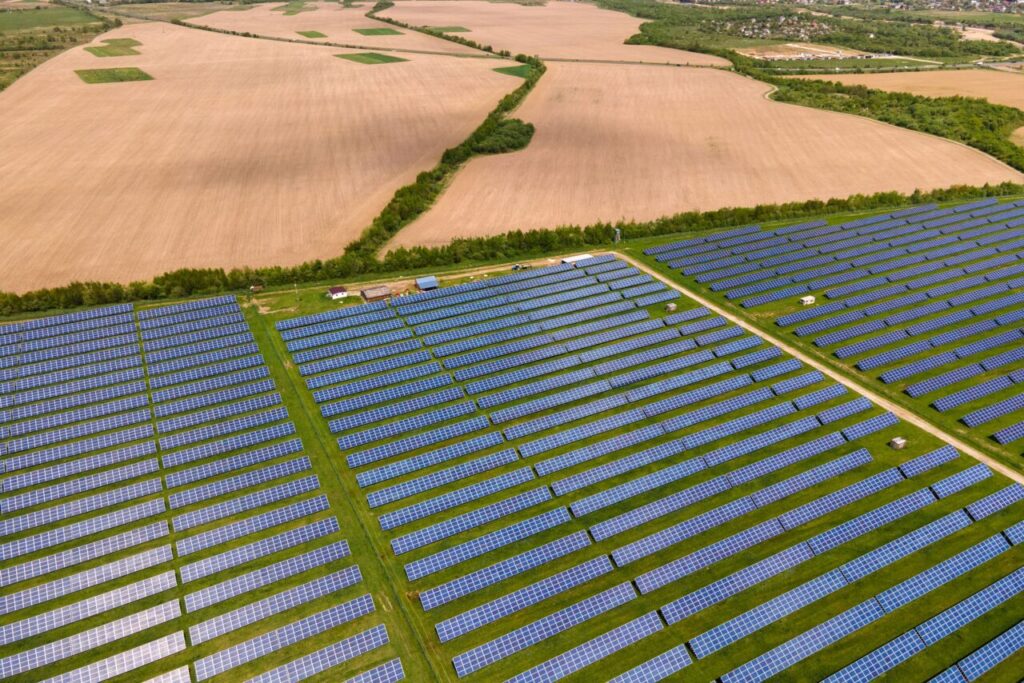
Agrovoltaic installation combining agricultural production and solar energy for optimal use of resources.
Agrovoltaics
Agrovoltaics involves installing solar panels above crops to generate electricity while continuing to cultivate the land. This approach optimizes land use and offers a double benefit: agricultural production and renewable energy production.
This type of installation offers several concrete advantages. The panels create a microclimate that protects certain crops from high temperatures and limits water evaporation. They also generate electricity for self-consumption or sale, providing an additional source of income. By combining energy and agriculture, agrovoltaics contributes to more sustainable resource management and a reduced carbon footprint.
Each project is designed to adapt to the crops, topography, and available surface area in order to find the right balance between agricultural and solar production. Agrovoltaics illustrates a concrete and innovative way to reconcile food production and clean energy by maximizing the potential of land that is already being used.
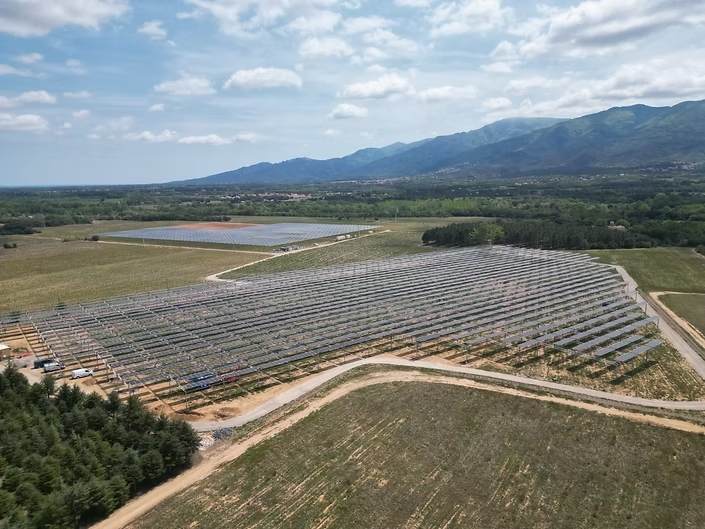
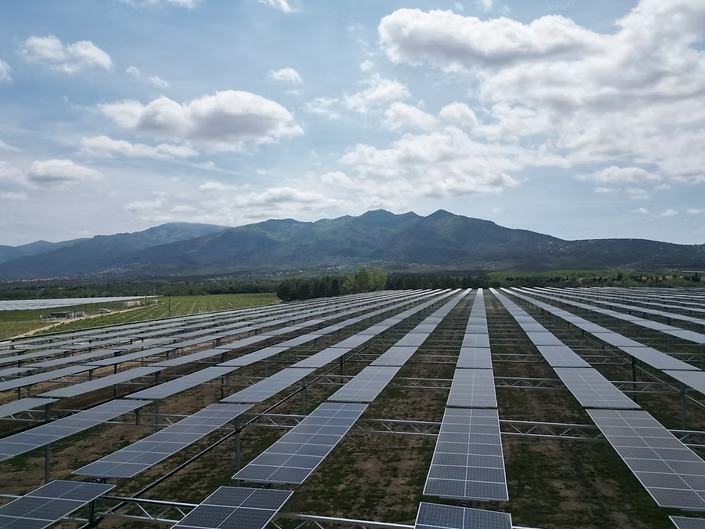
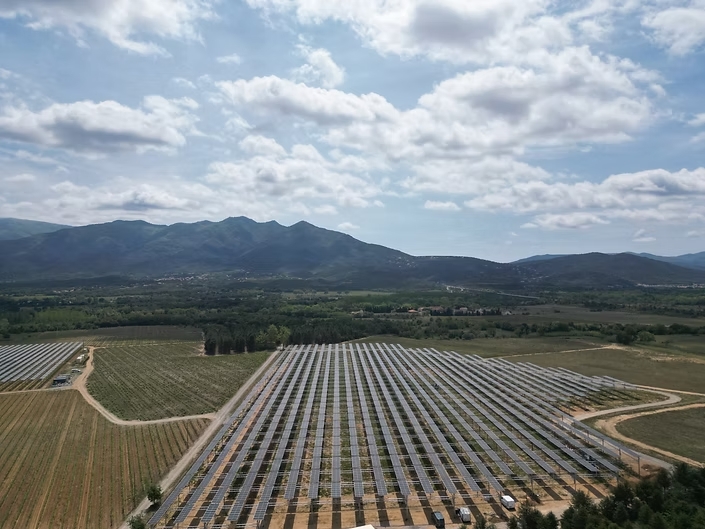
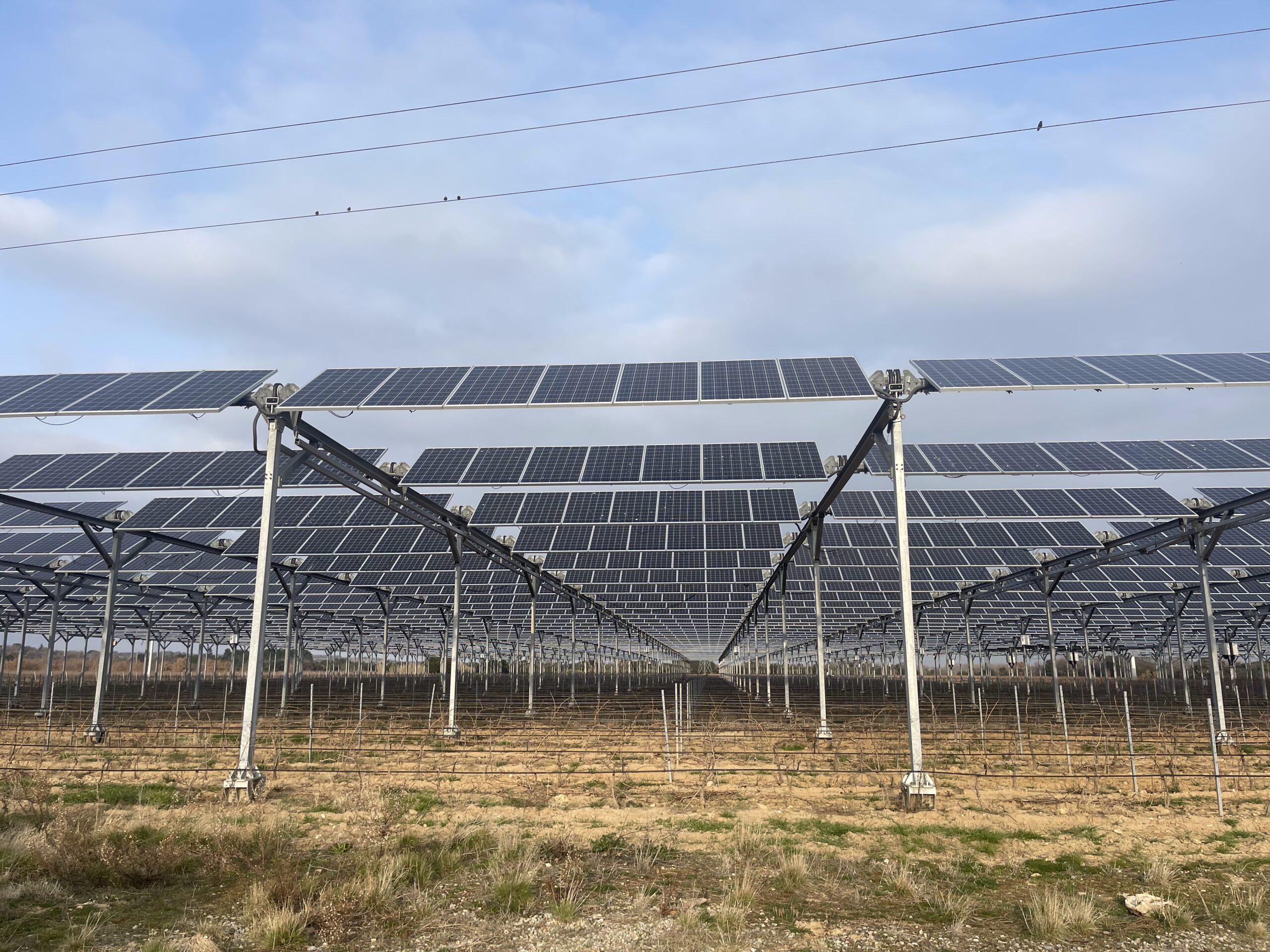
This project concerns the TressSerre2 dynamic agrivoltaic power plant, with a capacity of 3.2 MWp. It combines the installation of photovoltaic panels with the use of the land, enabling electricity to be produced while making efficient use of the available surface area. The entire project has been designed to ensure a reliable and sustainable installation, with dimensions adapted to the desired production capacity.